
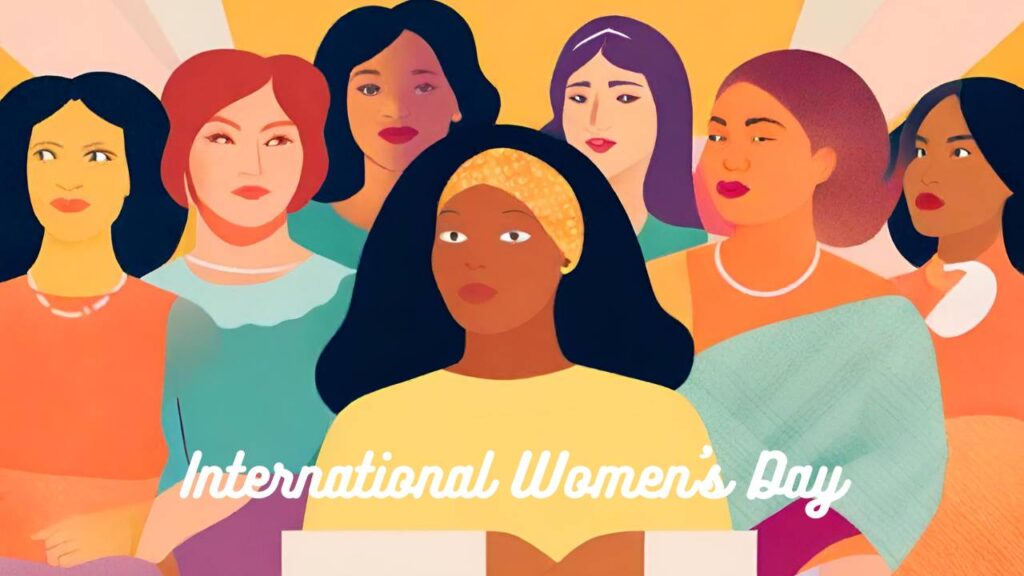
As we mark March 8th, International Women’s Day, the world comes together to celebrate the social, economic, cultural, and political achievements of women. This day is not just about recognizing the strides that have been made towards gender equality but also serves as a powerful reminder of the work that still needs to be done.
Origins and History
The origins of International Women’s Day trace back to the early 20th century, a time when women around the world were starting to organize and advocate for their rights. The first National Woman’s Day was observed in the United States on February 28, 1909, in honor of the 1908 garment workers’ strike in New York, where women protested against working conditions. The idea then gained international traction, and in 1910, Clara Zetkin, a German activist, proposed the idea of an International Women’s Day at the International Conference of Working Women in Copenhagen. The following year, on March 19, 1911, the first International Women’s Day was celebrated in Austria, Denmark, Germany, and Switzerland, where women demanded the right to vote, to work, and to hold public office.
Since then, International Women’s Day has grown into a global movement, with people from all walks of life participating in rallies, events, and discussions to promote gender equality and women’s rights.
Impact and Progress
Over the decades, International Women’s Day has played a crucial role in raising awareness about issues such as gender discrimination, unequal pay, lack of representation, violence against women, and reproductive rights. It has been a catalyst for change, inspiring legislative reforms, policy changes, and social movements.
In many parts of the world, women have made significant strides in education, healthcare, workforce participation, and leadership roles. More women are entering traditionally male-dominated fields, breaking barriers, and challenging stereotypes. Initiatives to promote women’s empowerment, such as mentorship programs, scholarships, and entrepreneurship opportunities, have gained momentum, contributing to a more inclusive and diverse society.
Benefits in Today’s World
In today’s worldwide social climate, the benefits of International Women’s Day are evident. It provides a platform for women’s voices to be heard, stories to be shared, and achievements to be celebrated. It sparks important conversations about gender equality, encouraging individuals, organizations, and governments to take action.
One of the significant benefits is the sense of solidarity it fosters. International Women’s Day brings people together, regardless of gender, race, or background, to stand in unity for a common cause. It empowers individuals to become advocates for change in their communities and workplaces.
Moreover, the day serves as a reminder of the work that remains. Despite the progress, gender inequality persists in various forms. Women continue to face barriers to equal opportunities, representation, and safety. International Women’s Day challenges us to address these issues collectively and strive for a world where every woman and girl can fulfill her potential without limitations.
Looking Forward
As we celebrate International Women’s Day in 2024, it is essential to reflect on the achievements and challenges ahead. The theme for this year, “Break the Bias,” calls for an end to stereotypes and prejudices that hold women back. It encourages individuals to challenge their own biases and create a more inclusive and equitable society for all.
In a world where movements for gender equality, such as #MeToo and #TimesUp, have gained momentum, International Women’s Day remains a powerful force for change. It reminds us that progress is possible and that together, we can create a future where every woman and girl has the opportunity to thrive.
On this International Women’s Day, let us celebrate the achievements of women around the world, honor those who have paved the way for progress, and recommit ourselves to the ongoing journey towards equality and justice for all.

Recent Comments